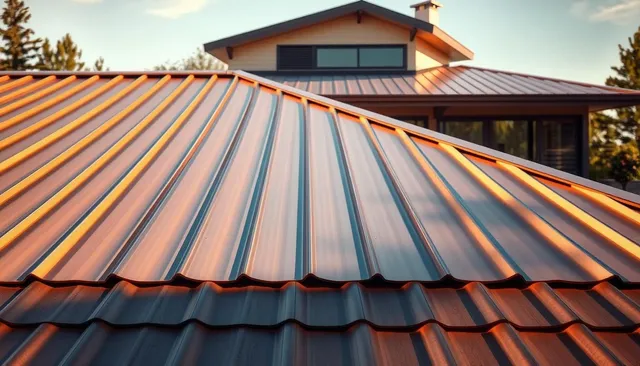
Modern office spaces are experiencing a significant transformation. A few years ago, office planning focused heavily on what people could immediately see. Flooring received attention. Furniture selection became important. Lighting layouts also shaped early design decisions. Today, another part of the building receives far more attention because business owners now understand how strongly it affects daily office performance.
The roof now plays a direct role in how an office works from morning until evening.
A roof does much more than cover a building. It controls heat movement, protects indoor systems, reduces weather impact, and supports long-term structural stability. This is why a skilled roofing company is now becoming part of office planning much earlier than before.
A business may invest heavily in interiors, but weak roofing can still create indoor discomfort within months. Heat enters faster. Cooling systems work harder. Rain exposure creates future repair risks.
These issues begin from above.
Roofing Now Influences Daily Temperature Control
Indoor temperature begins changing at the roof level before walls and floors react. Sun exposure hits the roof directly for several hours, especially in commercial buildings where upper surfaces remain open without shade.
This creates steady heat transfer.
Without proper roofing layers, offices warm up quickly by midday. Air-conditioning systems then run longer and use more power just to maintain working conditions.
A modern roofing structure helps reduce this pressure.
Many office buildings now use reflective roofing materials because these surfaces push back part of the solar heat instead of absorbing it fully. Additional insulation below the roofing layer slows heat movement before it reaches work areas.
This gives daily benefits such as:
- Lower cooling pressure during hot afternoons
- More stable indoor temperature during work hours
- Reduced dependence on constant air-conditioning
- Better comfort in upper-floor office sections
A stronger roof also helps meeting rooms stay more consistent during long discussions, especially in buildings exposed to direct afternoon sunlight.
Sound Control Has Become a Bigger Roofing Priority
Noise enters office buildings from many directions, but upper noise receives less attention until people begin using the space.
Rain can reveal this quickly.
A weak roof allows rainfall sound to travel through ceiling layers and disturb calls, presentations, and focused desk work. Nearby construction also creates upper vibration and sound movement through the roof.
This becomes difficult in business districts.
A professional roofing company now studies roofing layers with sound control in mind because offices need quieter internal conditions for long meetings and digital work.
Roof insulation now helps reduce:
- Rain impact sound
- Mechanical rooftop vibration
- Outside traffic reflection from nearby structures
- General external sound transfer
Employees notice this difference first during conference calls because voice clarity improves when the upper sound pressure reduces.
Roof Design Now Supports Better Daylight Planning
Modern office planning no longer depends fully on artificial light. More buildings now use roof-based daylight openings to improve work areas during daytime hours.
Skylights can help you here.
Roof openings allow natural daylight to enter central office sections where side windows cannot reach properly. This improves brightness inside shared work zones, internal corridors, and meeting areas.
Roofing professionals now work closely with architects during this stage because daylight openings need strong waterproofing and careful sealing.
A poorly executed roof opening creates future leakage. Light placement also needs planning. Too much daylight above one section creates glare on screens and working tables. Poor placement leaves other sections unevenly lit.
A roof now directly affects how comfortable visual work becomes during the day.
Rooftop Spaces Are Becoming Part of Office Use
Some businesses no longer treat roof space as unused building surface. Many modern offices now convert roof sections into active work-support areas.
This change is growing quickly. A roof may now support:
- Staff break corners
- Small outdoor seating zones
- Informal discussion areas
- Plant sections for short work breaks
These additions change how employees use office buildings during the day.
Fresh upper spaces help create short mental breaks without leaving the building. Some offices also use rooftop corners for private conversations or informal meetings. This requires structural planning first.
A roofing team must check load support, waterproofing strength, and drainage direction before any rooftop use begins. Without correct preparation, surface damage starts early.
Waterproofing Protects Office Operations Every Day
Water damage creates faster office disruption than many building owners expect. A small roof leak can spread into ceiling panels, wall edges, and electrical points within a short time.
One weak area causes repeated problems. Office buildings cannot afford repeated interruptions caused by water entering meeting rooms, server zones, or shared work areas.
This is why roofing work now gives stronger attention to:
- Waterproof membrane quality
- Edge sealing strength
- Drainage flow planning
- Joint protection near the roof equipment
As discussed in the reference material on office roofing trends, waterproofing now plays a larger role because workspaces depend on uninterrupted building performance.
A good roof protects more than walls. It protects daily office continuity.
Roofing Choices Now Support Energy Planning
Business owners now think beyond installation cost. Monthly operating cost has become part of roofing decisions because upper heat control directly changes electricity use.
Reflective roofing surfaces help reduce heat build-up. Strong insulation slows indoor temperature rise during peak afternoon hours. This reduces cooling demand.
For office buildings running full-day operations, this difference becomes visible in utility costs over time.
Roofing decisions now connect directly with long-term energy planning rather than short construction savings.
Maintenance Access Is Now Planned Earlier
Modern office roofs hold more equipment than before. Cooling systems, vents, drainage outlets, and technical units all need regular inspection.
Access is important here. A roofing company now discusses maintenance routes before installation because office roofs must allow future inspection without damaging roof layers.
This includes:
- Safe walking paths
- Service access points
- Drainage check zones
- Protected equipment sections
Ignoring maintenance access early creates costly repair difficulty later.
Roofing Has Become Part of Office Strategy
A roof no longer works as a hidden upper surface above office interiors. It now shapes temperature, sound, lighting, water protection, and building efficiency in practical daily ways.
Modern office spaces are experiencing a significant transformation, and roofing now stands at the center of that change as a direct business decision.
A stronger roof supports better work below it every single day.